Gilgit, Gilgit Baltistan
Kargah Buddha (Yshani)
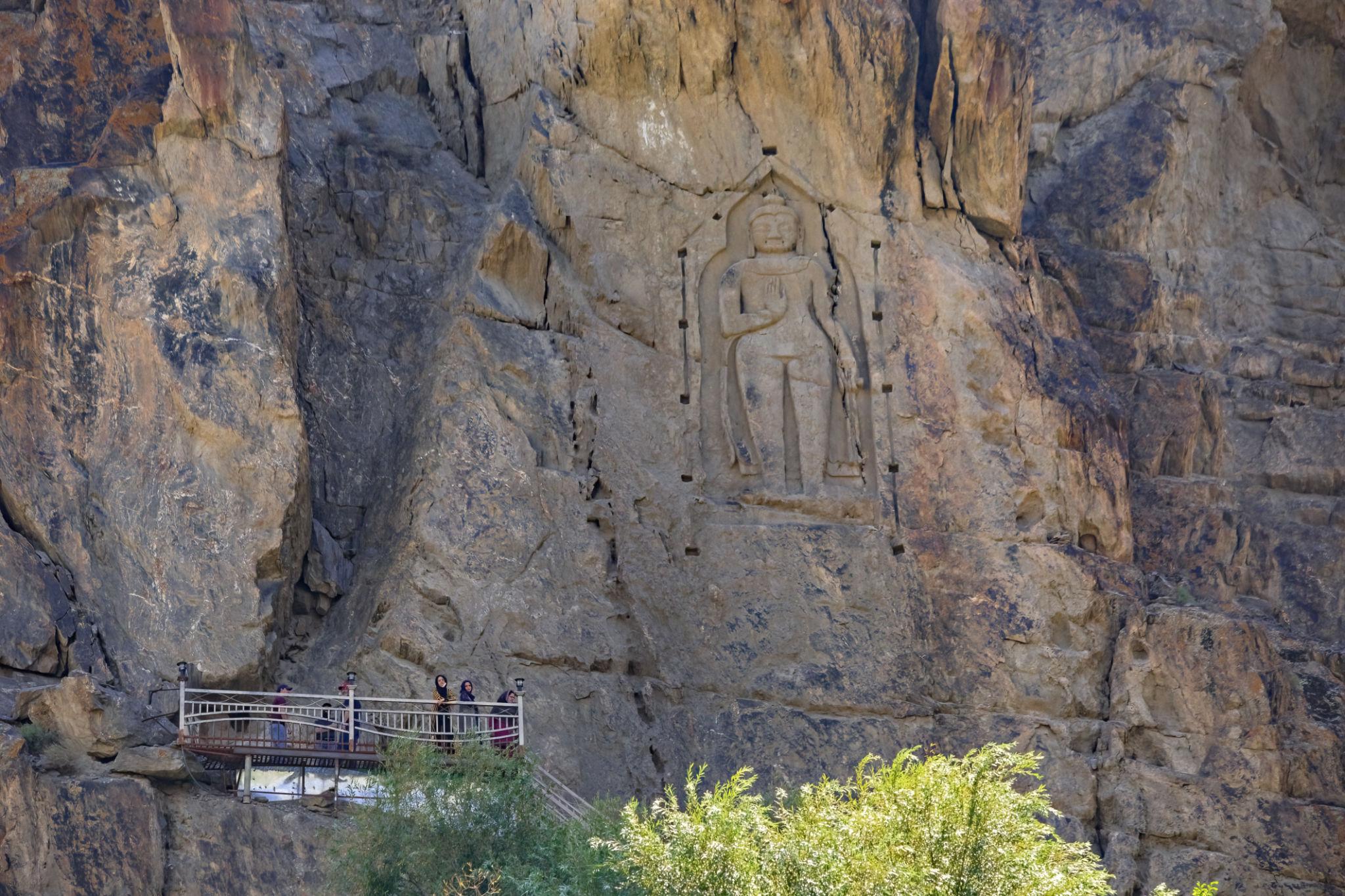
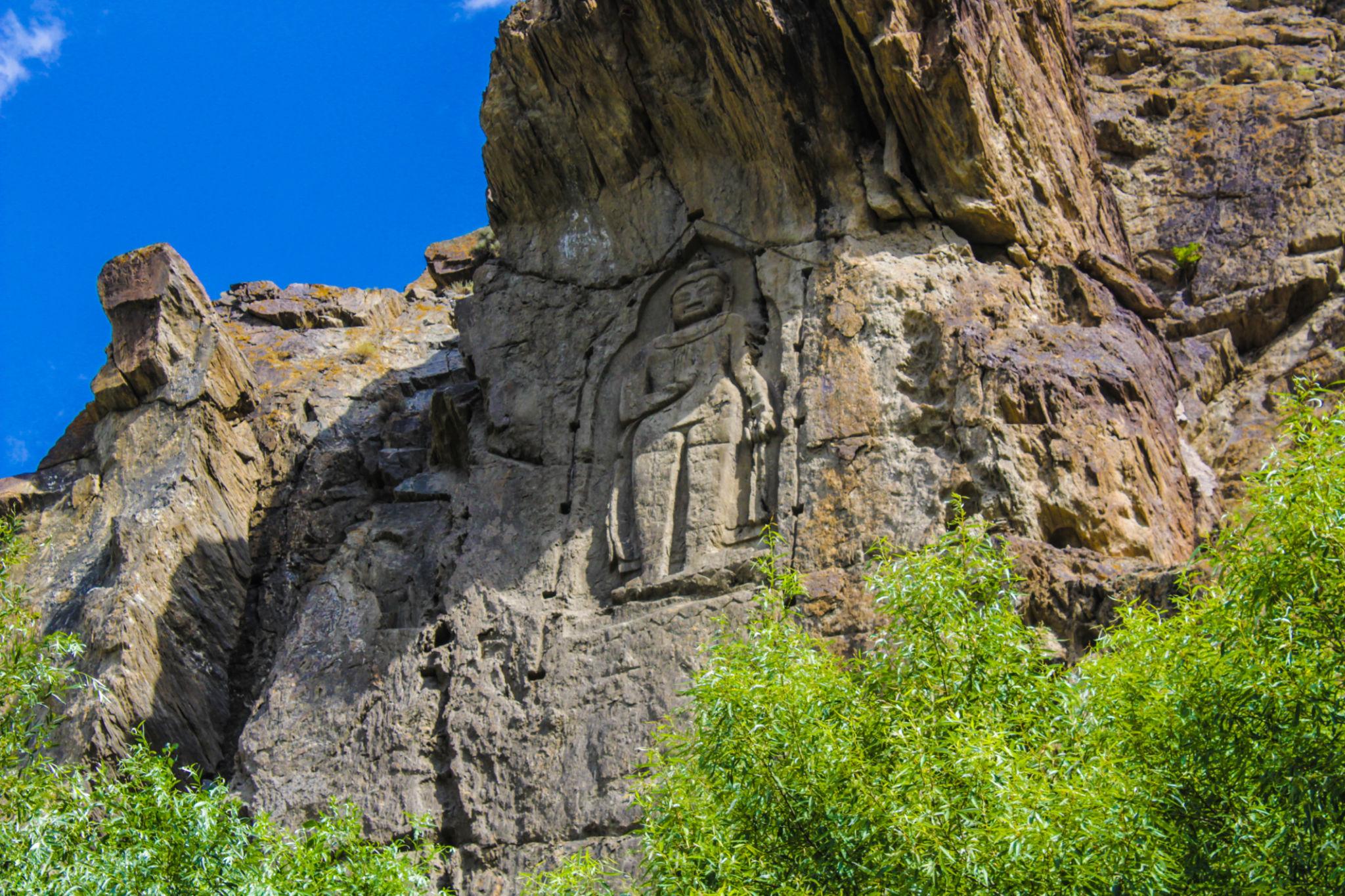
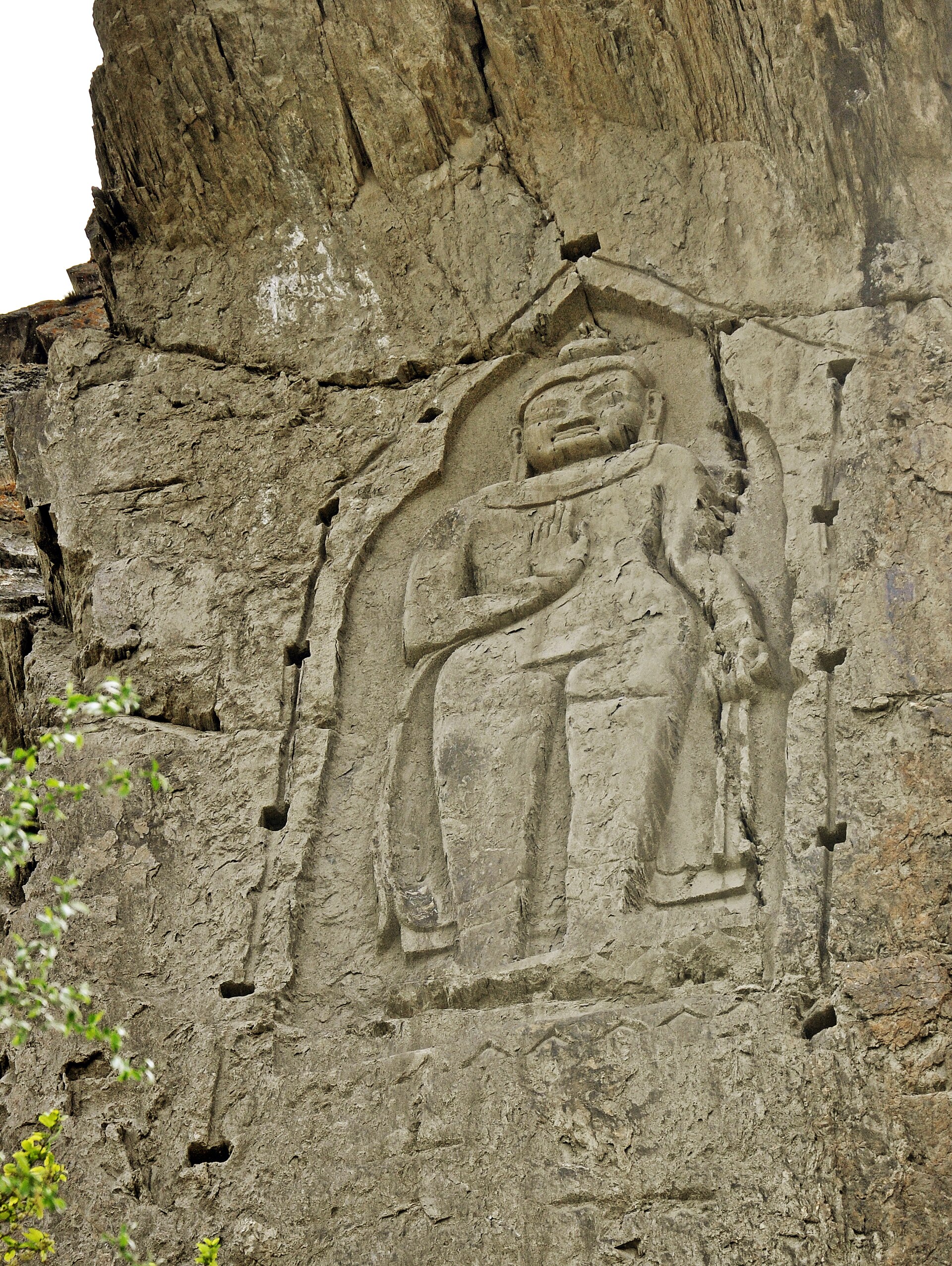
The official Gilgit-Baltistan tourism website describes Kargah Buddha as an archaeological site locally called Yshani, located about 6 miles / 9.7 km outside Gilgit city in Kargah Nala. It is a large standing Buddha carving, about 50 feet / 15 meters high, estimated to date from the 4th–7th century.
About the Destination
## Kargah Buddha, Gilgit — A Historic Rock Carving in the Mountains
Kargah Buddha is one of the most important historical and archaeological sites near Gilgit city. Carved into a high rock face in Kargah Nala, this ancient figure gives visitors a glimpse into the region’s Buddhist past and the cultural importance of Gilgit along old mountain routes. Surrounded by dry cliffs, flowing water, trees, and peaceful valley scenery, the site is a short and meaningful outing for tourists, history lovers, students, photographers, and families visiting Gilgit.
The rock carving is locally known as **Yshani** and is considered one of the most admired short-duration tourist spots from Gilgit city. Its setting is simple but powerful: a large figure carved into the cliff, standing quietly above the valley, reminding visitors of the many civilizations, beliefs, and travelers that passed through Gilgit-Baltistan over the centuries.
## Historical Importance
Kargah Buddha is believed to date back to the **4th–7th century**, a period when Buddhism had a strong presence in parts of Gilgit-Baltistan. The carving represents a large standing Buddha, approximately **50 feet high**, cut into the cliff face of Kargah Nala. This makes it not only a tourist attraction but also an important cultural heritage site.
The site is connected with the wider Buddhist history of Gilgit. Historical accounts also mention the discovery of Buddhist manuscripts and remains in the wider Gilgit region, showing that this area once had religious, scholarly, and cultural significance. A local legend tells a different folk story, describing the figure as **Yshani**, but historically it is recognized as a Buddhist rock carving.
## How to Reach Kargah Buddha
Kargah Buddha is located around **9–10 kilometers from Gilgit city**, making it one of the easiest historical sites to visit during a short stay in Gilgit. The drive usually takes around **20 to 30 minutes**, depending on traffic, vehicle type, and road condition.
Tourists can hire a local taxi, private car, or jeep from Gilgit city. The route passes through local settlements and mountain scenery before entering the Kargah side. The final area is close to the stream and cliff where the carving is located. It is suitable for a half-day visit and can easily be combined with Gilgit city sightseeing, local bazaar visit, Danyore Bridge, or nearby viewpoints.
## Things to Do at Kargah Buddha
Visitors can enjoy photography, sightseeing, history learning, and a peaceful walk around the site. The rock carving is best viewed from a little distance so the full height and cliff setting can be appreciated. The surrounding landscape, stream, trees, and rocky mountains make it a good place for short nature photography.
For students and history lovers, Kargah Buddha is a valuable educational stop because it reflects the ancient cultural diversity of Gilgit-Baltistan. Tour guides or local residents may also share folk stories attached to the site, giving visitors both historical and local cultural perspectives.
## Tourist Guidelines
Visitors should treat Kargah Buddha with respect because it is an archaeological and heritage site. Do not write on the rocks, damage the carving, climb near the protected area, or leave waste behind. Families should keep children away from steep or uneven areas near the cliff and stream.
Wear comfortable shoes, carry drinking water, and keep a light jacket if visiting in the morning or evening. Summer days can be warm, but the valley breeze may feel cooler near the water and shaded areas. Carry cash for local transport, as digital payments may not always be available.
## Best Time to Visit
The best time to visit Kargah Buddha is from **April to October**, when the weather in Gilgit is pleasant and road access is easier. Morning and late afternoon are ideal for photography because the light is softer and the temperature is more comfortable. Winter visits are possible, but cold weather, shorter daylight hours, and icy patches on mountain roads may affect travel comfort.
## Why Visit Kargah Buddha?
Kargah Buddha is not just a sightseeing point; it is a window into the ancient history of Gilgit-Baltistan. It combines archaeology, mountain scenery, local legends, and cultural heritage in one short trip from Gilgit city. For tourists staying in Gilgit, this site is highly recommended as a peaceful and meaningful historical experience.
Kargah Buddha is one of the most important historical and archaeological sites near Gilgit city. Carved into a high rock face in Kargah Nala, this ancient figure gives visitors a glimpse into the region’s Buddhist past and the cultural importance of Gilgit along old mountain routes. Surrounded by dry cliffs, flowing water, trees, and peaceful valley scenery, the site is a short and meaningful outing for tourists, history lovers, students, photographers, and families visiting Gilgit.
The rock carving is locally known as **Yshani** and is considered one of the most admired short-duration tourist spots from Gilgit city. Its setting is simple but powerful: a large figure carved into the cliff, standing quietly above the valley, reminding visitors of the many civilizations, beliefs, and travelers that passed through Gilgit-Baltistan over the centuries.
## Historical Importance
Kargah Buddha is believed to date back to the **4th–7th century**, a period when Buddhism had a strong presence in parts of Gilgit-Baltistan. The carving represents a large standing Buddha, approximately **50 feet high**, cut into the cliff face of Kargah Nala. This makes it not only a tourist attraction but also an important cultural heritage site.
The site is connected with the wider Buddhist history of Gilgit. Historical accounts also mention the discovery of Buddhist manuscripts and remains in the wider Gilgit region, showing that this area once had religious, scholarly, and cultural significance. A local legend tells a different folk story, describing the figure as **Yshani**, but historically it is recognized as a Buddhist rock carving.
## How to Reach Kargah Buddha
Kargah Buddha is located around **9–10 kilometers from Gilgit city**, making it one of the easiest historical sites to visit during a short stay in Gilgit. The drive usually takes around **20 to 30 minutes**, depending on traffic, vehicle type, and road condition.
Tourists can hire a local taxi, private car, or jeep from Gilgit city. The route passes through local settlements and mountain scenery before entering the Kargah side. The final area is close to the stream and cliff where the carving is located. It is suitable for a half-day visit and can easily be combined with Gilgit city sightseeing, local bazaar visit, Danyore Bridge, or nearby viewpoints.
## Things to Do at Kargah Buddha
Visitors can enjoy photography, sightseeing, history learning, and a peaceful walk around the site. The rock carving is best viewed from a little distance so the full height and cliff setting can be appreciated. The surrounding landscape, stream, trees, and rocky mountains make it a good place for short nature photography.
For students and history lovers, Kargah Buddha is a valuable educational stop because it reflects the ancient cultural diversity of Gilgit-Baltistan. Tour guides or local residents may also share folk stories attached to the site, giving visitors both historical and local cultural perspectives.
## Tourist Guidelines
Visitors should treat Kargah Buddha with respect because it is an archaeological and heritage site. Do not write on the rocks, damage the carving, climb near the protected area, or leave waste behind. Families should keep children away from steep or uneven areas near the cliff and stream.
Wear comfortable shoes, carry drinking water, and keep a light jacket if visiting in the morning or evening. Summer days can be warm, but the valley breeze may feel cooler near the water and shaded areas. Carry cash for local transport, as digital payments may not always be available.
## Best Time to Visit
The best time to visit Kargah Buddha is from **April to October**, when the weather in Gilgit is pleasant and road access is easier. Morning and late afternoon are ideal for photography because the light is softer and the temperature is more comfortable. Winter visits are possible, but cold weather, shorter daylight hours, and icy patches on mountain roads may affect travel comfort.
## Why Visit Kargah Buddha?
Kargah Buddha is not just a sightseeing point; it is a window into the ancient history of Gilgit-Baltistan. It combines archaeology, mountain scenery, local legends, and cultural heritage in one short trip from Gilgit city. For tourists staying in Gilgit, this site is highly recommended as a peaceful and meaningful historical experience.
Things to Do
History Tours
Photography
Sightseeing
Cultural Exploration
Hiking
Visual Journey


Location Map
Stay Near Kargah Buddha (Yshani)
Handpicked hotels and resorts with great accessibility.

5

5
5
Canopy Nexus, Resort over the River, Gilgit
Chinar Bagh, River View Rd, Gilgit,...
PKR 3,000
/night
Book Now
5
5
5